Dr. Sarang Gotecha, a fellowship-trained spine surgeon in Pune, performs spine surgery at Manipal Hospital, Baner, for disc herniation, spinal stenosis, spondylolisthesis, spinal tumors and fractures. He offers both conventional open surgery and minimally invasive spine surgery (MISS), with clinics in Wakad and Thergaon for western Pune residents.
Lead with a relatable statistic: 80% of Indians will experience significant back pain at some point in their lives. Yet fewer than 5% of those who need spine surgery actually receive it at a specialist-trained surgeon's hands. Most are treated by general orthopaedic surgeons or general neurosurgeons without dedicated spine training. Dr. Gotecha's fellowship in MISS from Seoul is a genuine differentiator in Pune's spine surgery landscape.
Back pain is so common in India that many people stop taking it seriously - until it becomes severe enough to interfere with sleep, work, or basic movement. By that point, the condition has often progressed beyond what physiotherapy and medication alone can address.
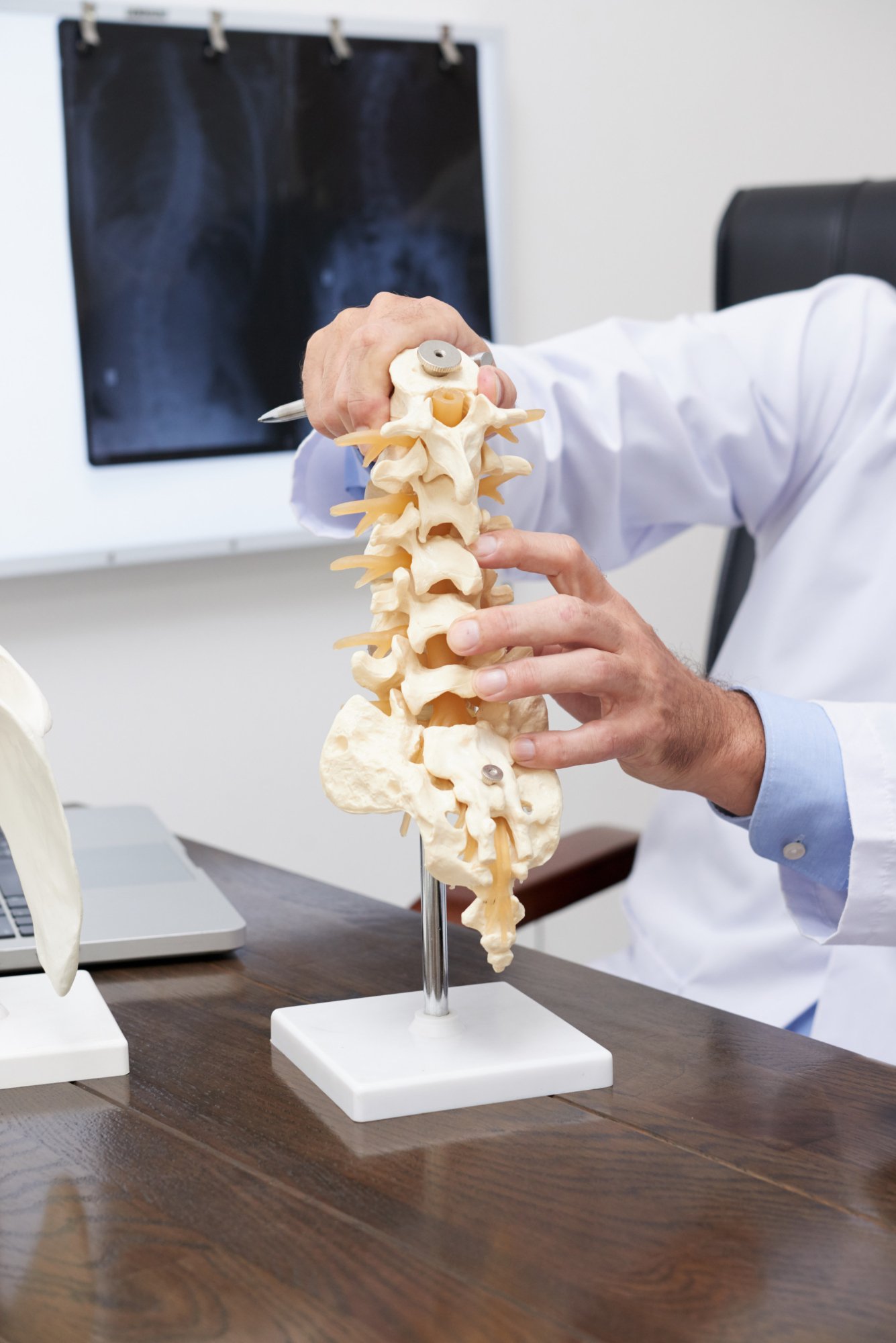
The spine is a mechanically complex structure: 33 vertebrae, 23 intervertebral discs and a spinal cord running through it, with nerve roots branching off at each level. When something goes wrong - a disc herniates, a vertebra slips, the spinal canal narrows - the consequences are felt not just in the back but in the arms and legs, depending on which nerves are affected.
Dr. Sarang Gotecha, MCh Neurosurgery, is a fellowship-trained spine surgeon in Pune. He practices at Manipal Hospital, Baner and holds clinics in Wakad and Thergaon. His training in Minimally Invasive Spine Surgery at St. Mary's Hospital, Seoul, South Korea, allows him to offer techniques that significantly reduce the physical cost of spine surgery for patients who are appropriate candidates.
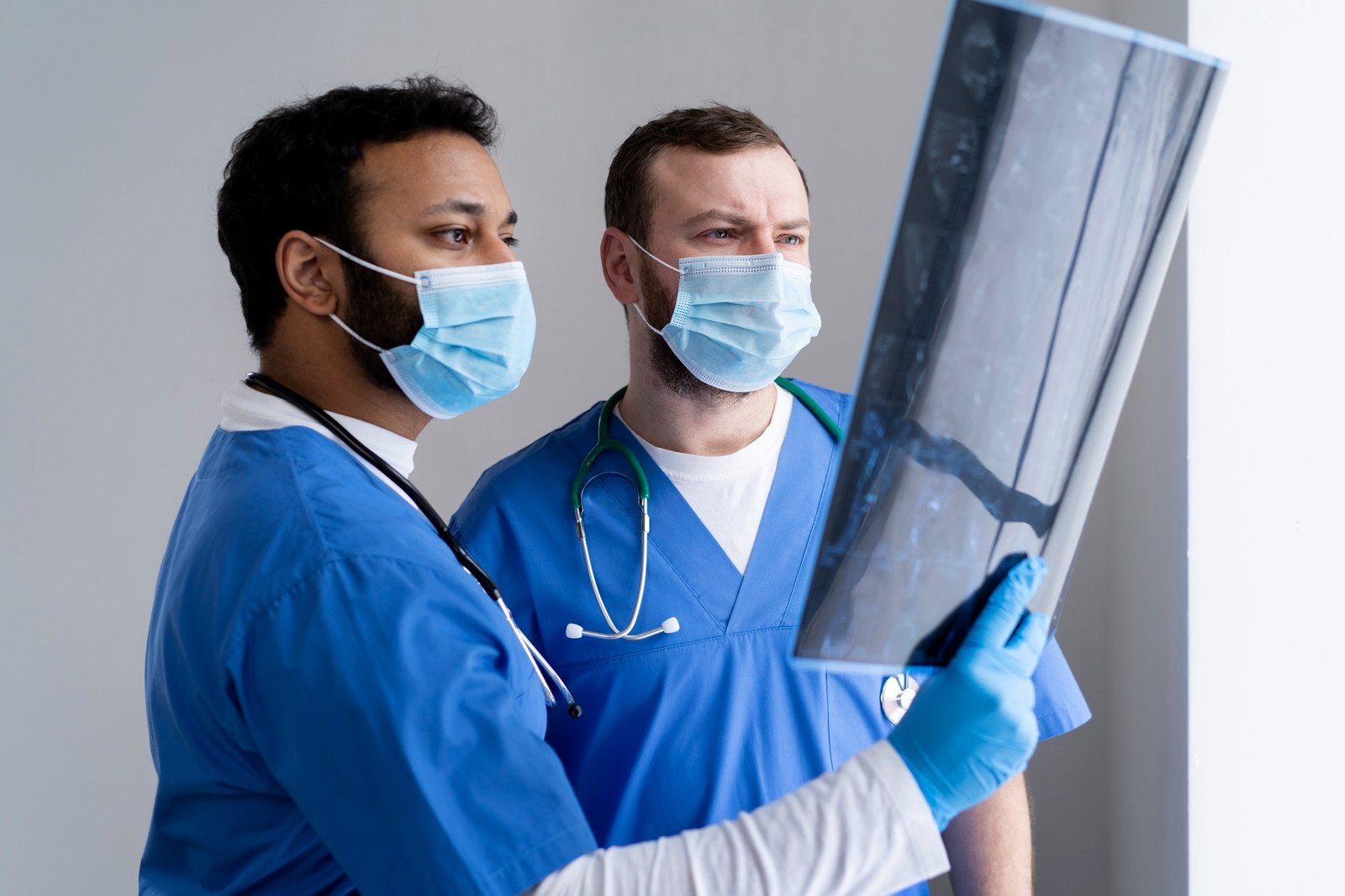
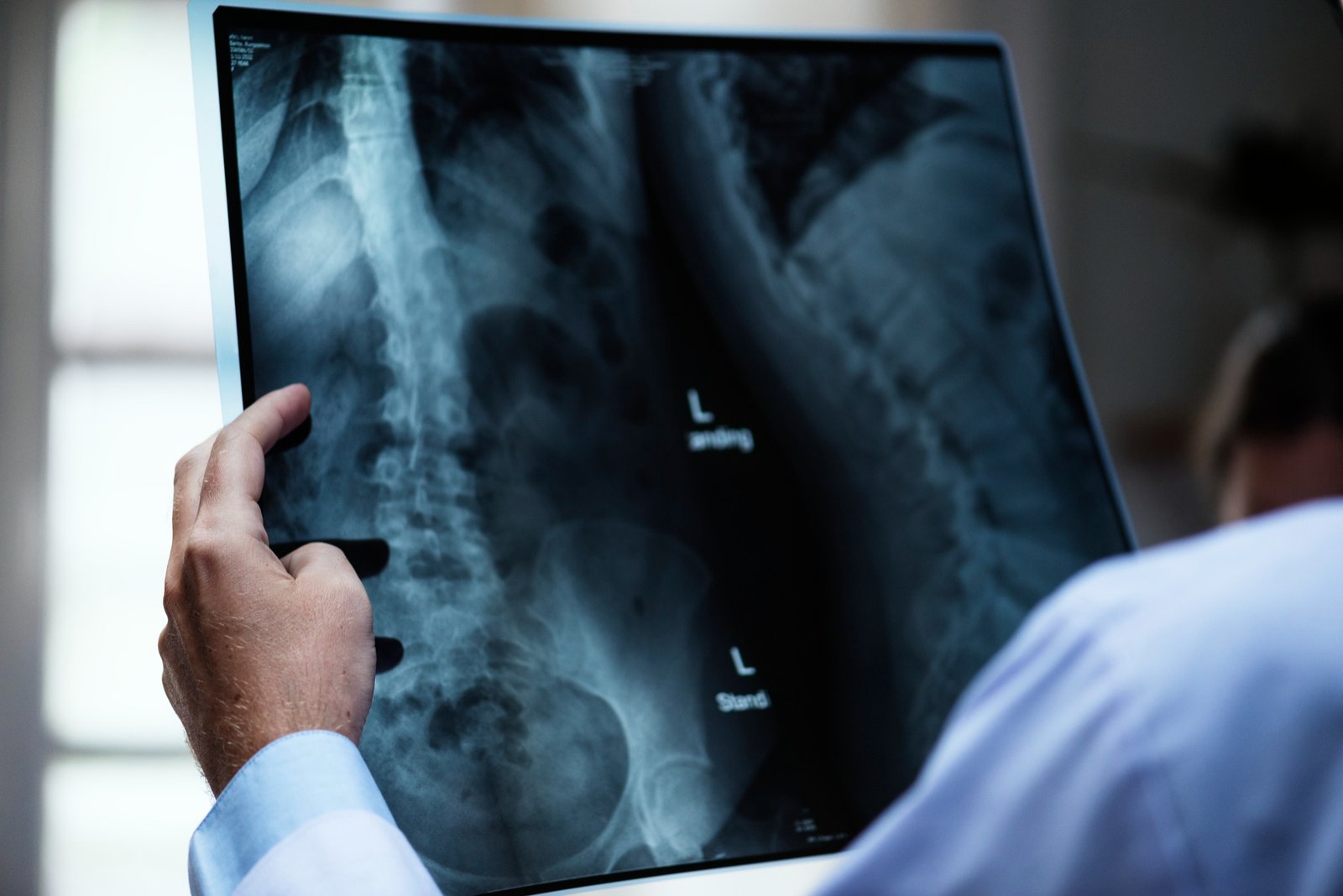
A herniated disc in the cervical spine (neck) compresses nerve roots or the spinal cord, causing pain, numbness, or weakness in the arms. Mild cases respond to physiotherapy and medication. When these fail, or when the spinal cord is compressed (myelopathy), surgery - typically anterior cervical discectomy and fusion (ACDF) - is recommended. Dr. Gotecha performs ACDF with precision instrumentation at Manipal Hospital, Baner.
Lumbar disc prolapse causes pain radiating down the leg (sciatica) due to compression of the sciatic nerve root. Most episodes resolve with 6–12 weeks of conservative management. When they don't - or when the patient has severe pain, weakness, or loss of bladder/bowel control - surgical discectomy is indicated. Dr. Gotecha offers both conventional microdiscectomy and minimally invasive endoscopic approaches.
Spinal stenosis is narrowing of the spinal canal due to degenerative changes - thickened ligaments, bone spurs, collapsed discs. It causes leg pain on walking (neurogenic claudication) and may be difficult to distinguish from vascular claudication without careful examination. Decompressive laminectomy relieves the pressure and typically produces good to excellent outcomes.
Spondylolisthesis occurs when one vertebra slips forward over the one below it. In symptomatic cases with instability and neurological compression, spinal fusion with pedicle screw fixation restores alignment and eliminates painful abnormal movement. Dr. Gotecha performs both open and minimally invasive fusion procedures.
Both primary spinal tumors (arising in the spine itself) and metastatic tumors (spread from cancer elsewhere in the body) can cause spinal cord compression. Emergency decompression is sometimes required to prevent permanent paralysis. Elective resection aims for cure or palliation depending on the tumor type and the patient's overall oncological status.
This is perhaps the most important question on this page. The honest answer is: less often than many patients fear and sometimes more urgently than they realise.
Surgery is generally recommended when:• Conservative treatment (physiotherapy, medications, injections) for 6–12 weeks has failed
• There is progressive neurological deficit - worsening weakness, increasing numbness
• There is loss of bladder or bowel control (cauda equina syndrome - this is a surgical emergency)
• Imaging shows significant spinal cord compression with risk of irreversible damage
• Spinal instability is causing chronic pain that significantly impairs quality of life
• Symptoms are mild to moderate and stable
• The patient has not completed an adequate trial of conservative management
• The imaging finding does not correlate with the clinical symptoms
Dr. Gotecha's consultations explicitly address whether your specific situation is at the 'surgery needed' threshold. He does not operate on MRI findings alone.
Standard posterior approaches for laminectomy, discectomy and fusion remain the gold standard for many spinal conditions, particularly those involving significant deformity or requiring extensive reconstruction. Performed with operative microscope magnification, these procedures achieve reliable decompression and fusion.
MISS approaches - tubular retractors, percutaneous pedicle screws, endoscopic discectomy - achieve the same surgical goals through incisions that are a fraction of the size used in open surgery. Muscle disruption is minimal, blood loss is lower and hospitalisation is typically 1–2 days compared to 4–6 for open approaches. Full details are covered on the dedicated MISS page.
Spine surgery cost in Pune varies significantly by procedure type, number of spinal levels involved, implants required and length of hospitalisation. Broad indicative ranges:
• Lumbar microdiscectomy: Rs. 1.5 lakh – Rs. 3 lakh
• Anterior cervical discectomy and fusion (ACDF): Rs. 2 lakh – Rs. 4 lakh
• Minimally invasive lumbar fusion: Rs. 3 lakh – Rs. 5.5 lakh
• Complex spinal deformity correction: Rs. 5 lakh – Rs. 10+ lakh
These are approximate ranges; actual costs depend on your specific clinical situation. Manipal Hospital, Baner, works with all major health insurers. For uninsured patients, financial counsellors at the hospital can discuss payment options.
• Endoscopic discectomy (MISS): Walk within hours, discharge in 1–2 days, desk work in 2–3 weeks
• Open laminectomy: Discharge in 3–4 days, light activity in 4–6 weeks
• Spinal fusion (single level): Discharge in 4–5 days, driving in 6 weeks, full activity in 3–6 months
Physiotherapy is an essential component of recovery for all spinal procedures. Dr. Gotecha's team coordinates post-operative physiotherapy to ensure optimal functional recovery.
