Brain tumor surgery in Pune is performed by Dr. Sarang Gotecha at Manipal Hospital, Baner, using neuronavigation and an operating microscope for maximum safe tumor removal. He treats gliomas, meningiomas, metastatic brain tumors and pituitary adenomas. Consultations available at Baner, Wakad and Thergaon clinics.
Open with a grounding fact: India diagnoses approximately 28,000 new primary brain tumor cases annually. Of these, nearly 40% present in the 35–65 age group - working adults with families and responsibilities. Use this to humanise the audience and immediately address the fear of disability after surgery. The unique modern neuronavigation-guided surgery has changed the risk calculus significantly - something most patients in Pune don't know when they first receive a diagnosis.
A brain tumor diagnosis is one of the most frightening things a person can hear. The brain governs everything - movement, speech, memory, personality. The idea that something is growing inside it and that treating it might require a surgeon to open the skull, can feel overwhelming before any factual discussion has even begun.
This page is written for people at that moment. Not to minimise the seriousness of a brain tumor, but to replace fear with accurate, structured information that helps you make a well-informed decision about your next steps.
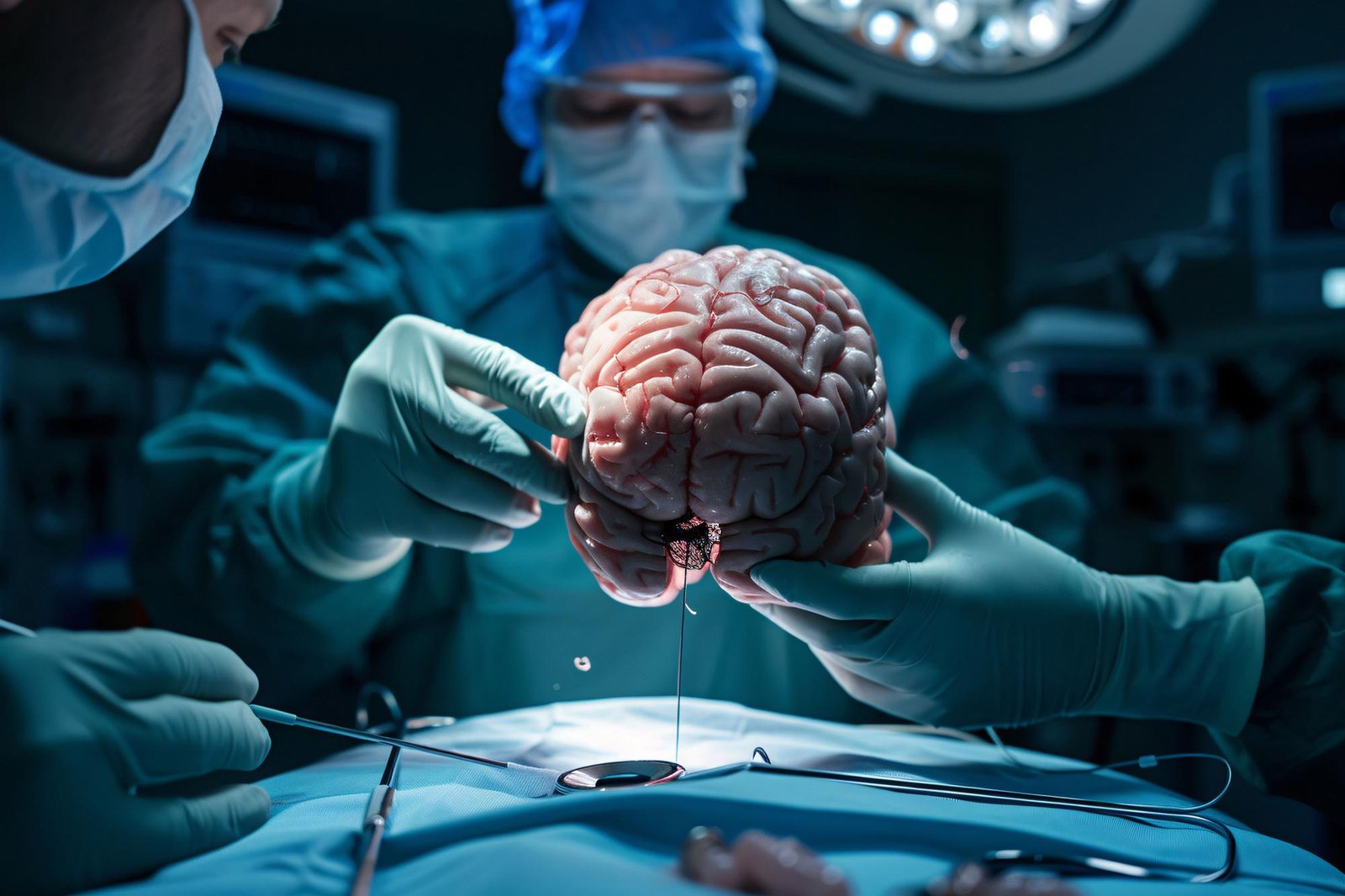
Dr. Sarang Gotecha, MCh Neurosurgery, performs brain tumor surgery at Manipal Hospital, Baner, Pune - one of the city's most advanced neurosurgical facilities. He serves patients from Baner, Wakad, Thergaon, Pashan, Aundh and across the Pune metropolitan area.
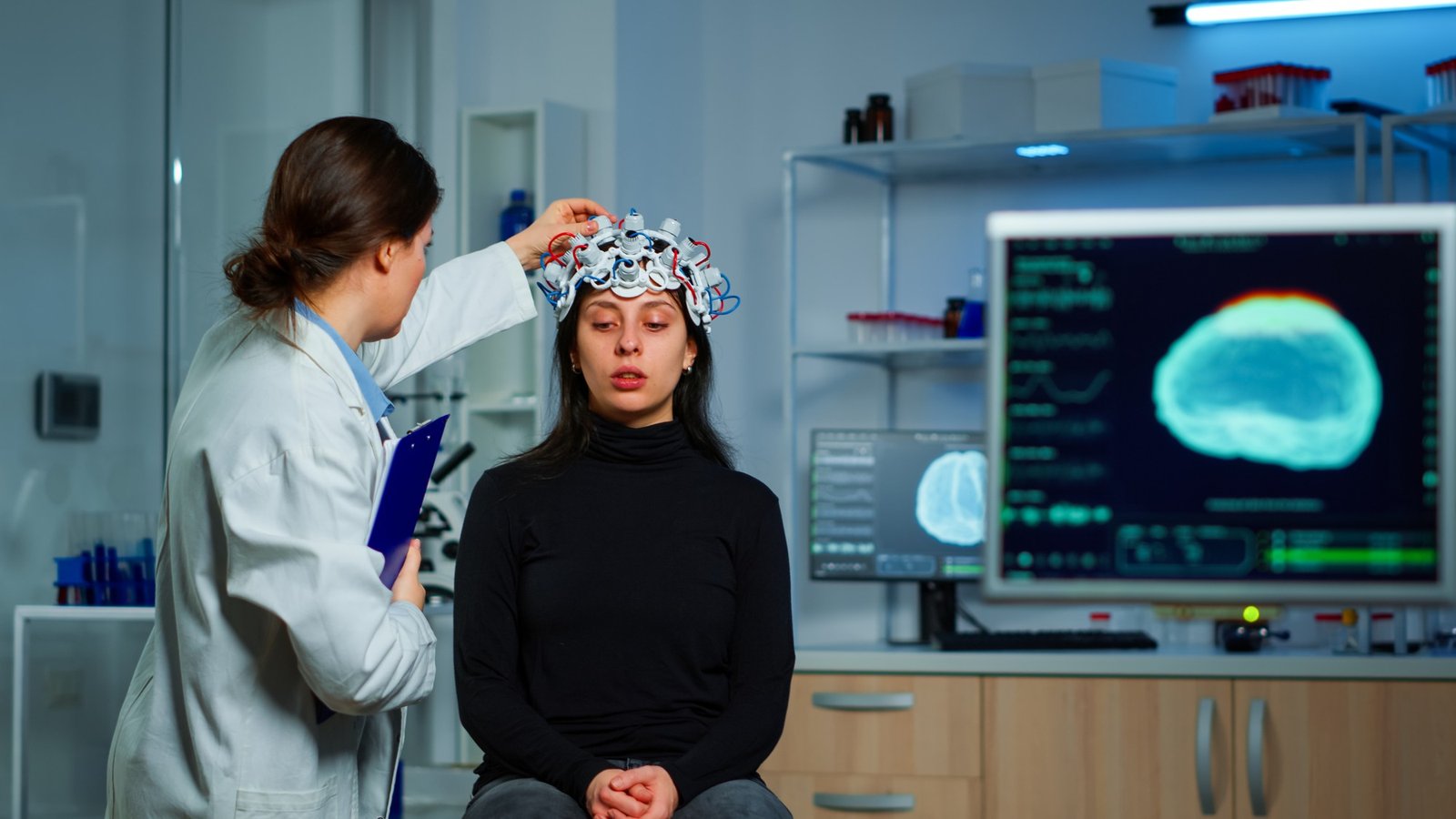
Gliomas arise from the glial cells of the brain. They range from slow-growing low-grade tumors (Grade I–II) to aggressive glioblastomas (Grade IV). Surgical removal aims to reduce tumor bulk, obtain a tissue diagnosis and relieve pressure on surrounding brain. The extent of safe resection is guided by neuronavigation and intraoperative monitoring.
Meningiomas are the most common benign brain tumors. They arise from the protective membranes covering the brain (meninges) and grow slowly. Many are discovered incidentally. When they cause symptoms - headaches, visual changes, seizures - surgical removal is typically recommended. Meningiomas at the skull base require specialized surgical approaches.
Cancer that has spread to the brain from the lung, breast, colon, kidney, or other primary site is called a brain metastasis. These may be single or multiple. Surgical removal of a solitary, accessible metastasis can provide significant symptom relief and, in selected cases, improve survival when combined with radiation therapy.
Pituitary tumors arise in the pituitary gland at the base of the brain. They may cause hormonal disturbances (functioning adenomas) or vision problems (non-functioning adenomas pressing on the optic nerves). Dr. Gotecha treats pituitary tumors via the transnasal endoscopic approach - through the nostrils, without any external incision - details covered on the Transnasal Endoscopic Surgery page.
• Headaches that are new in character, worst in the morning, or wake you from sleep
• Seizures in an adult with no prior seizure history
• Progressive weakness or numbness in an arm or leg
• Speech difficulties - slurred speech, difficulty finding words, or comprehension problems
• Vision changes - double vision, peripheral field loss
• Personality or memory changes reported by family members
• Nausea and vomiting without a gastrointestinal cause
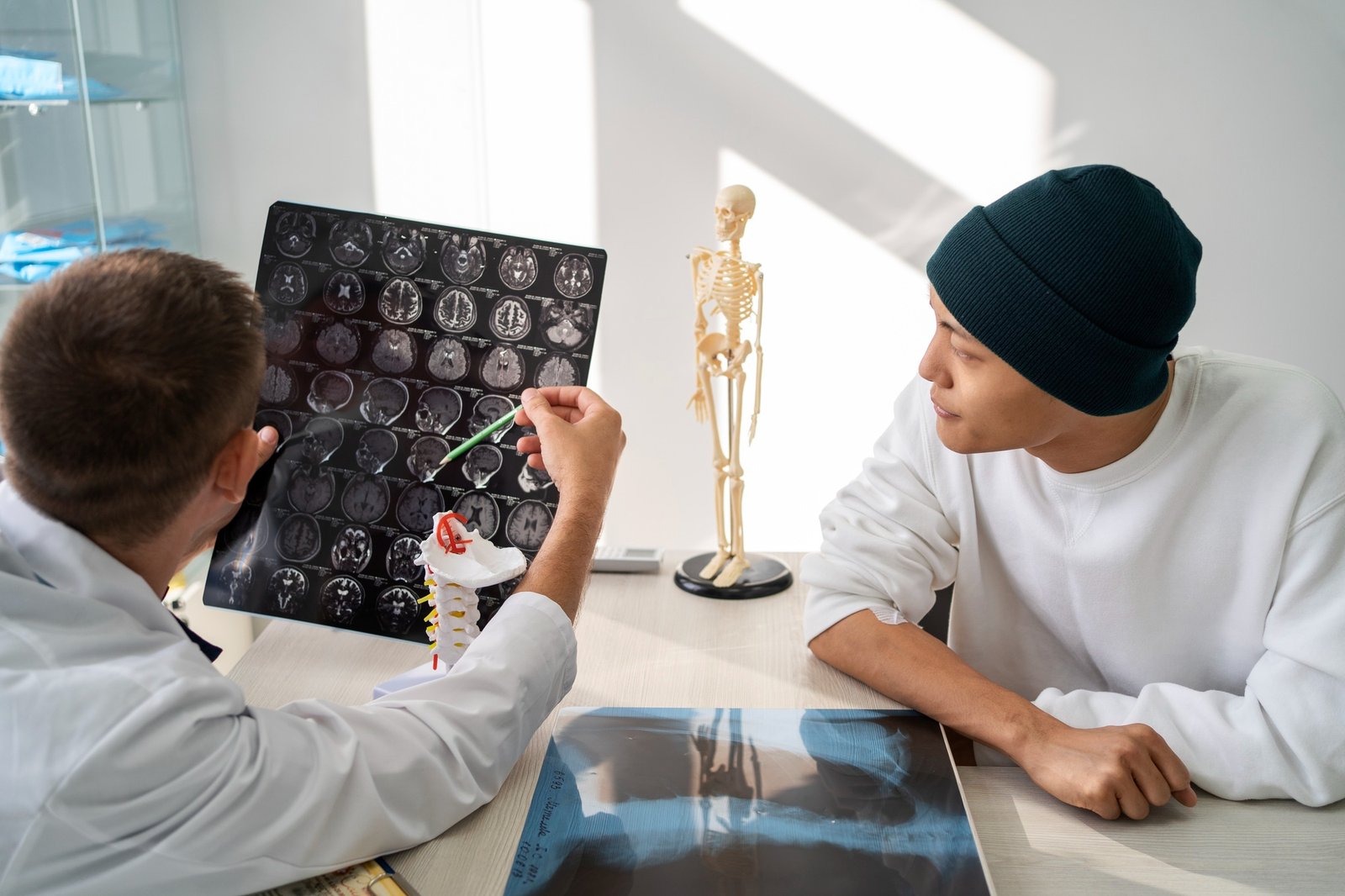
If you or a family member is experiencing these symptoms, do not wait. A brain MRI is the first step and it can be arranged at Manipal Hospital, Baner, or through any imaging centre in Pune.
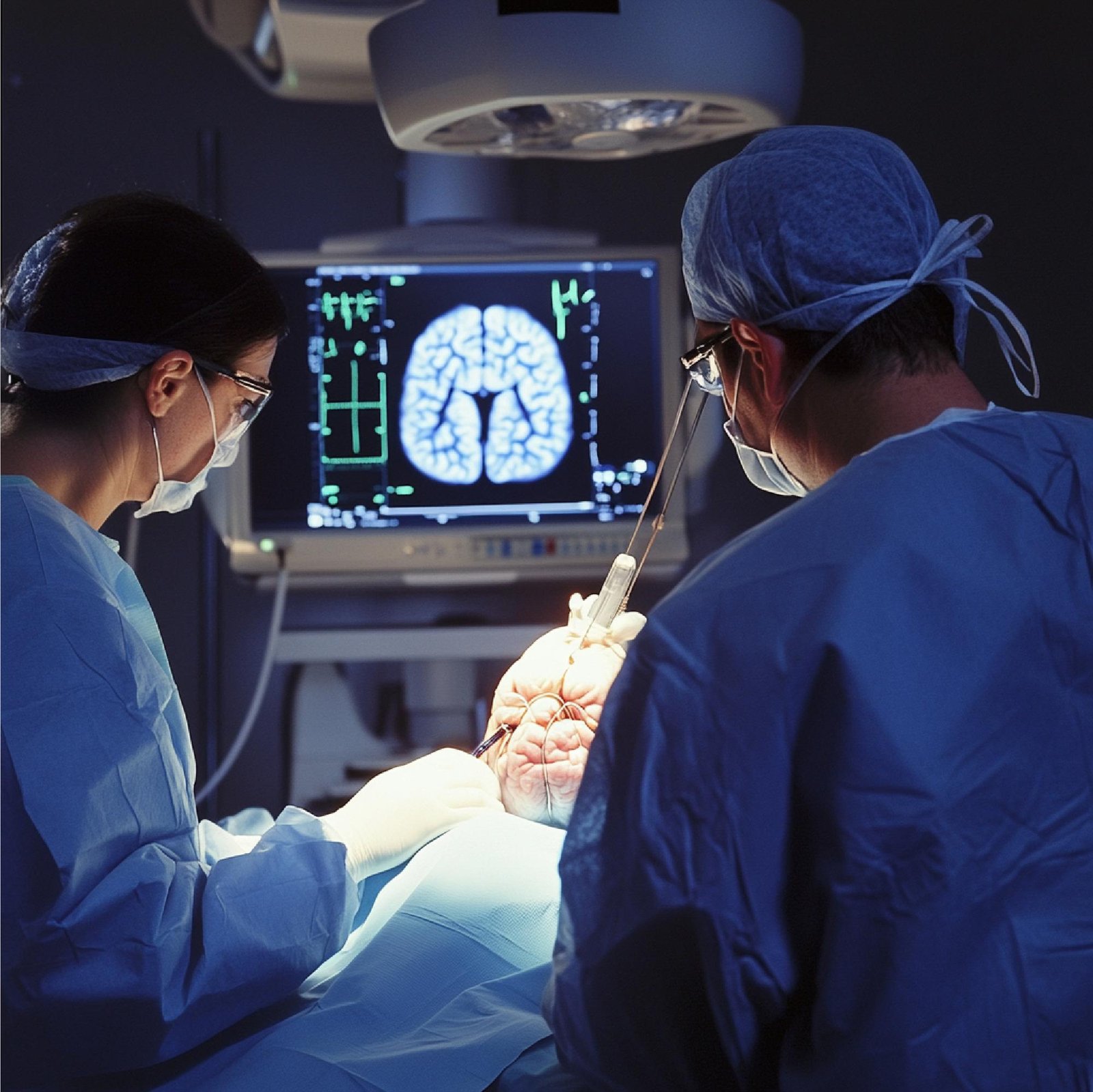
Modern brain tumor surgery is very different from what many people imagine based on outdated portrayals in media. Here is how it actually works in Dr. Gotecha's practice:
Before surgery, the patient's MRI and CT scans are loaded into a neuronavigation system . This creates a three-dimensional map of the brain that the surgeon can reference in real time during the operation - like GPS for neurosurgery. It allows the surgical approach to be precisely planned and executed, reducing risk to surrounding functional brain tissue.
The operating microscope provides 10–20x magnification and powerful illumination of the surgical field. This level of detail is essential for identifying and preserving critical structures - blood vessels, cranial nerves, white matter tracts - that lie adjacent to tumors. Operating without this tool in complex cases would represent a significant disadvantage.
The Cavitron Ultrasonic Surgical Aspirator (CUSA) uses ultrasonic vibrations to break up and aspirate tumor tissue. It is gentler on surrounding normal brain than mechanical dissection, making it particularly valuable for tumors in or near eloquent (functionally critical) brain areas.
Recovery after brain tumor surgery depends on several factors: the tumor's location, the extent of resection, the patient's baseline neurological status and whether additional treatment (radiation, chemotherapy) is required afterward.
General recovery timeline for craniotomy (open brain surgery):Post-operative oncology consultation is arranged for tumors requiring radiation or systemic treatment. Dr. Gotecha coordinates with neuro-oncologists and radiation oncologists at Manipal Hospital to ensure continuity of care.
The cost of brain tumor surgery in Pune depends on: tumor type and size, surgical approach used, duration of ICU and hospital stay, implants or consumables used intraoperatively and whether radiation/chemotherapy follows.
At Manipal Hospital, Baner, most health insurance policies - including CGHS, ECHS and major corporate health plans - cover brain tumor surgery. The hospital's insurance desk helps with pre-authorisation. For patients without insurance, an estimate based on the surgical plan is provided during consultation.
A rough indicative range: Rs. 3 lakh to Rs. 10 lakh for surgical hospitalisation, excluding post-operative oncology treatment. This range is wide because the cases are genuinely diverse - do not rely on online estimates. A proper quote requires reviewing your imaging.
